Specular Gnosis
Coleman Collins is an interdisciplinary artist, writer, and researcher whose work explores notions of diaspora in relation to technological methods of transmission, translation, copying, and reiteration. His most recent projects examine the connections between things-in-the-world and their digital approximations, paying particular attention to the ways in which real and virtual spaces are socially produced. Recent exhibitions and screenings have taken place at Ehrlich Steinberg, Los Angeles; e-flux, New York; Herald Street, London; Brief Histories, New York; the Palestine Festival of Literature, Jerusalem/Ramallah; Carré d’Art, Nîmes; and the Kunsthalle Wien in Vienna, among others. His work is in the permanent collection of the Hammer Museum, Los Angeles. In 2025, he was awarded a Guggenheim Foundation fellowship. He received an MFA from UCLA in 2018, was a 2017 resident at the Skowhegan School for Painting and Sculpture, and participated in the Whitney Museum’s Independent Study Program in 2018/19. He is currently an Assistant Professor of Art at the University of California, Irvine. He lives and works in Los Angeles.
All images courtesy of the artist.
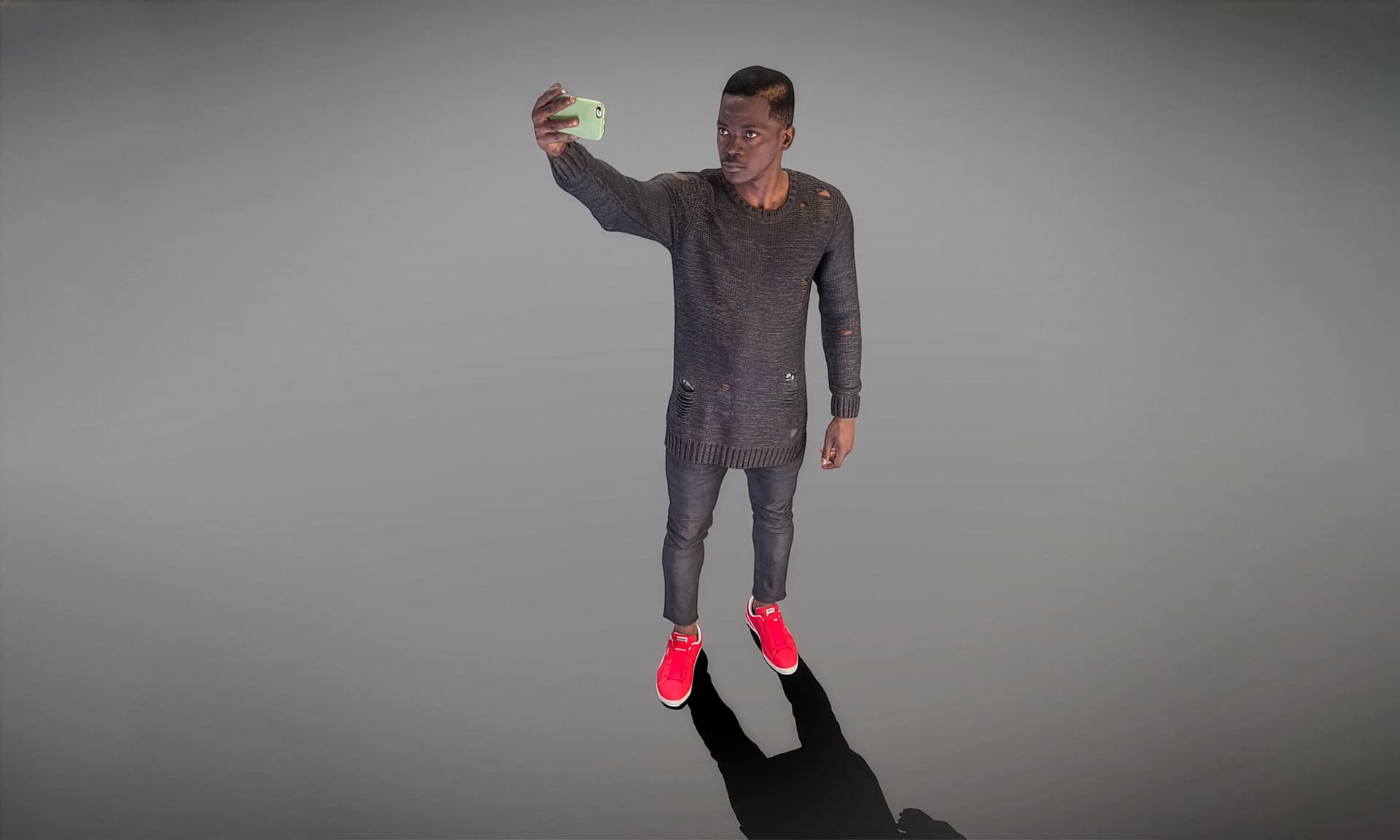
We increasingly had the sense that our lifeworld had been replaced by its MIRROR-IMAGE, and we were happy that it was so; all that took place within that space felt—was—more real than our fallen one. At the very least, it was more easily perfectable. The material world: at once heavier and more disappointing.
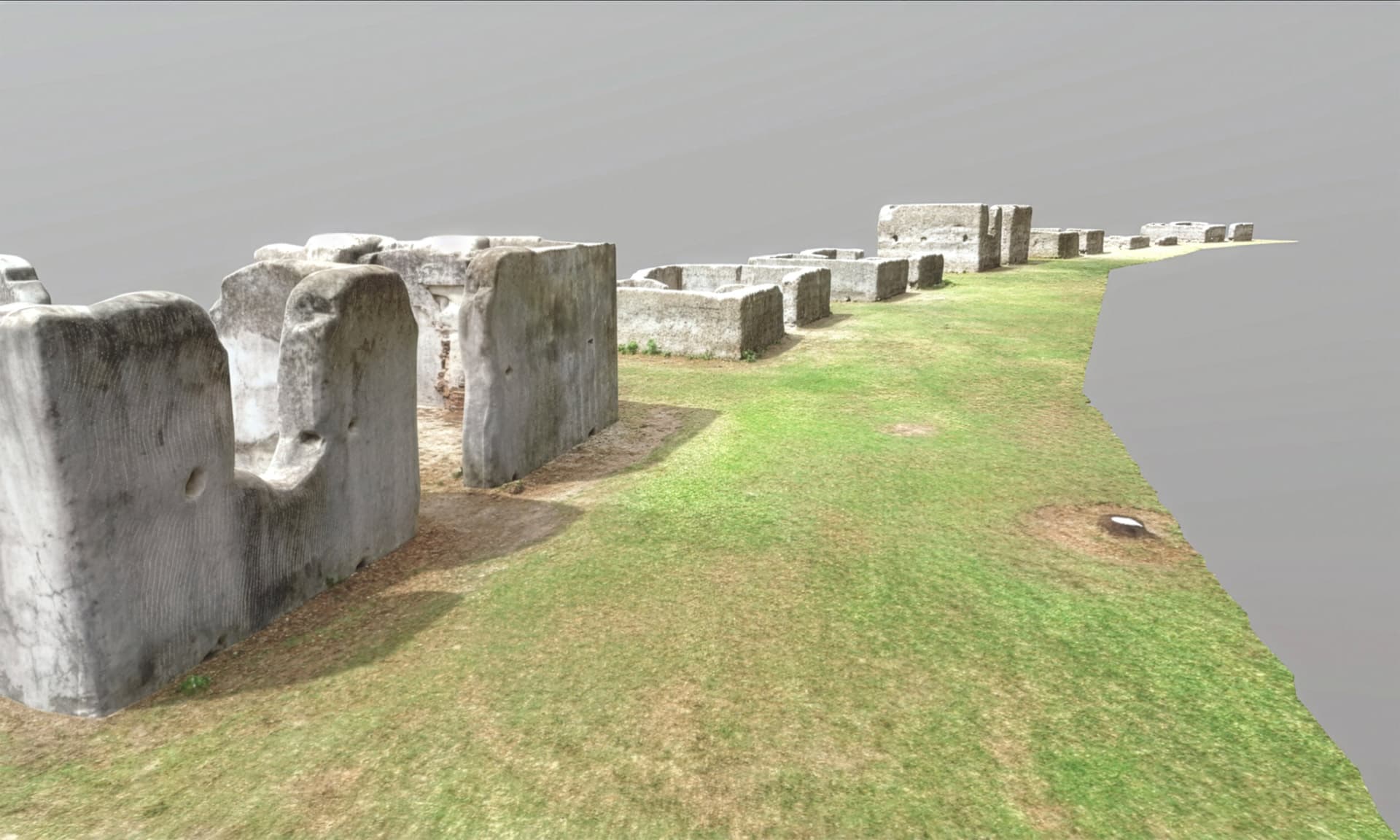
The cabins were constructed out of tabby and built by their enslaved inhabitants, most likely in the 1820s or 1830s. Tabby was constructed of leftover shells, burned by the barrel-full in open pits or kilns, then pounded into lime particles, mixed with water, sand, and whole oyster or clam shells, then poured into wooden foundations about 0.3m high, and set to dry. The orientation of the quarters is distinctive: there were originally 32 cabins laid out in a semicircular arc interrupted by the main thoroughfare to the plantation. The arrangement may have given slave families a modicum of PRIVACY, although one also suspects that OVERSEERS may have arranged the quarters to be able to watch all the slaves from the owner's house at the same time. The cabins were digitally preserved by the National Center for Preservation Technology and Training (NCPTT) using a Faro Focus S Laser scanner.
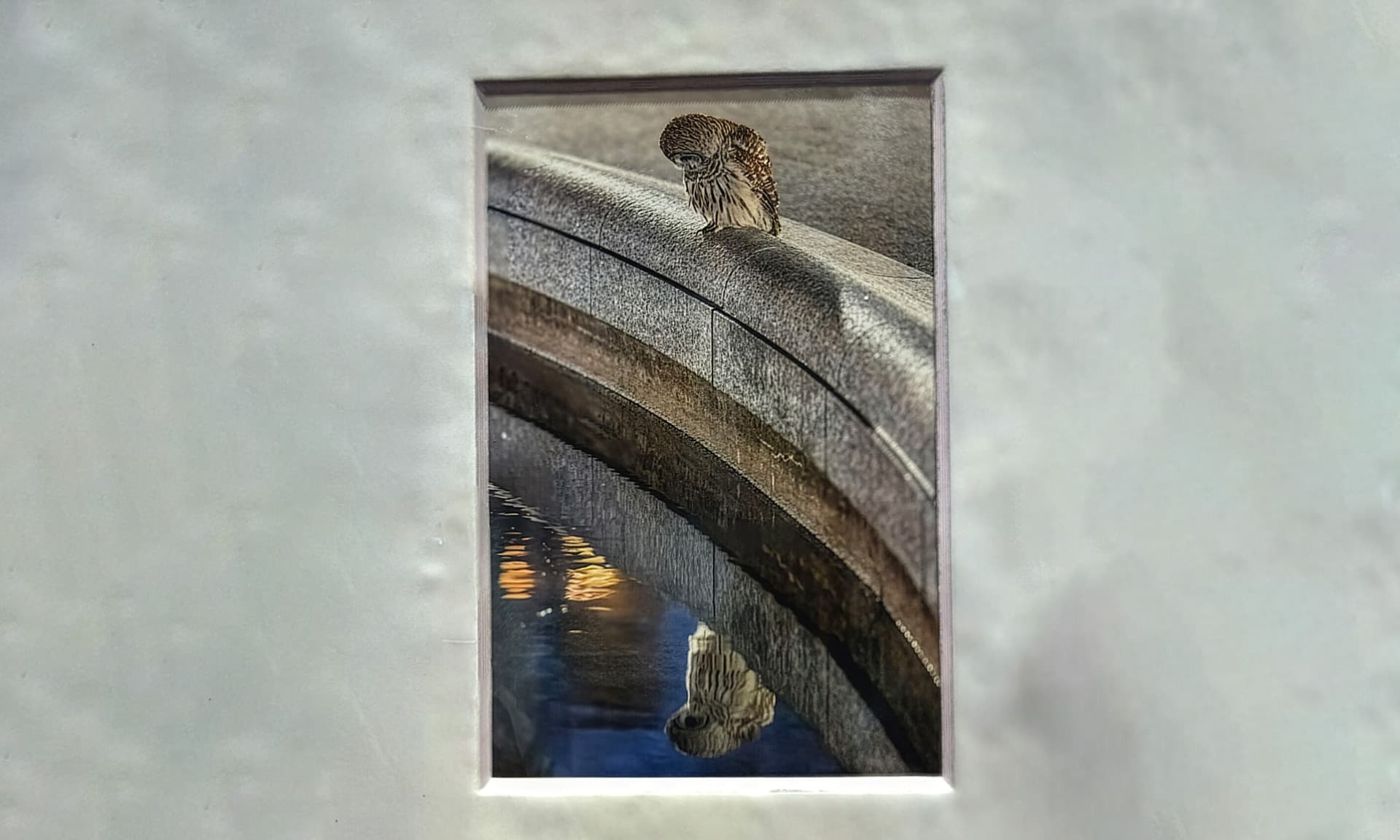
The gaze, they say, has the tendency to render objects (subjects?) SELF-POLICING.
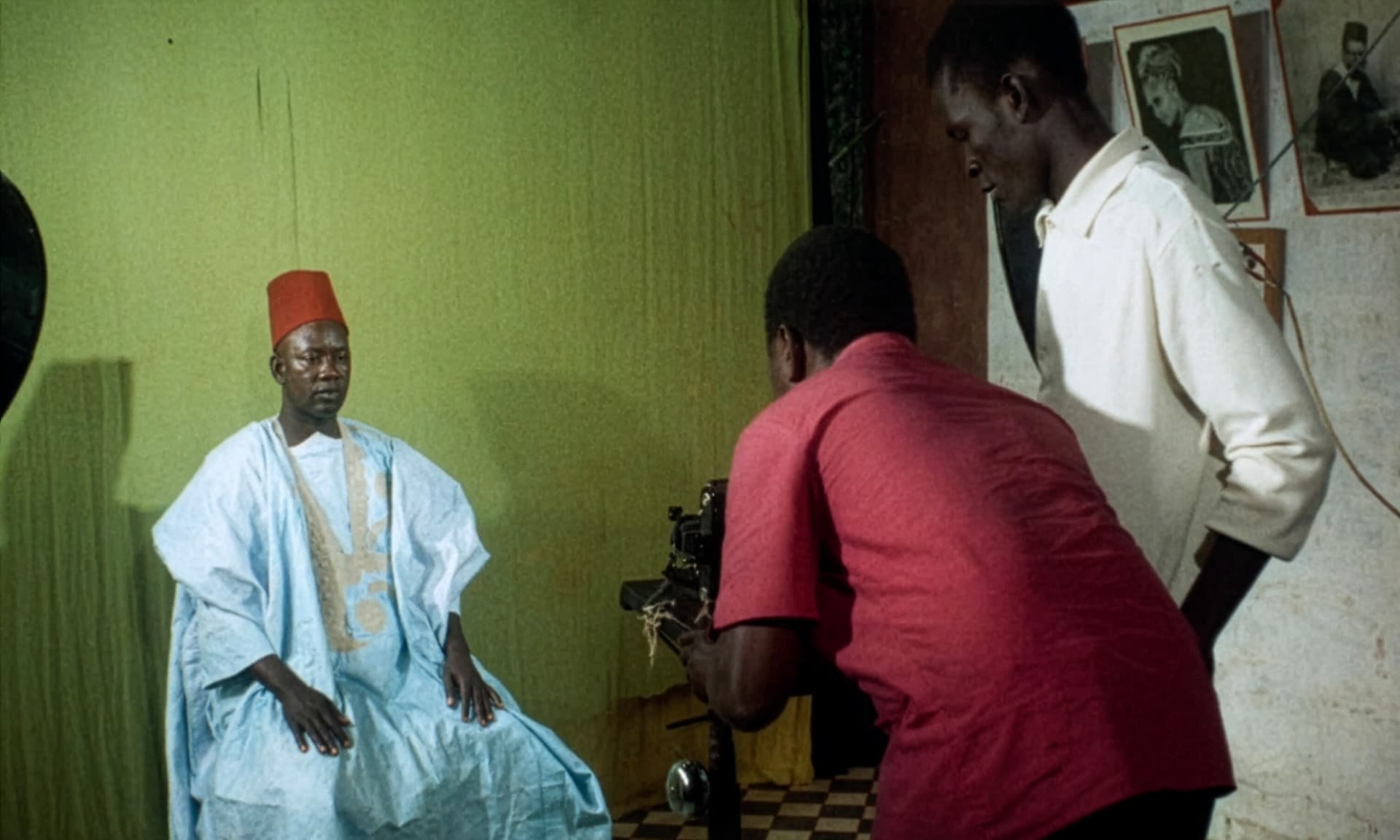
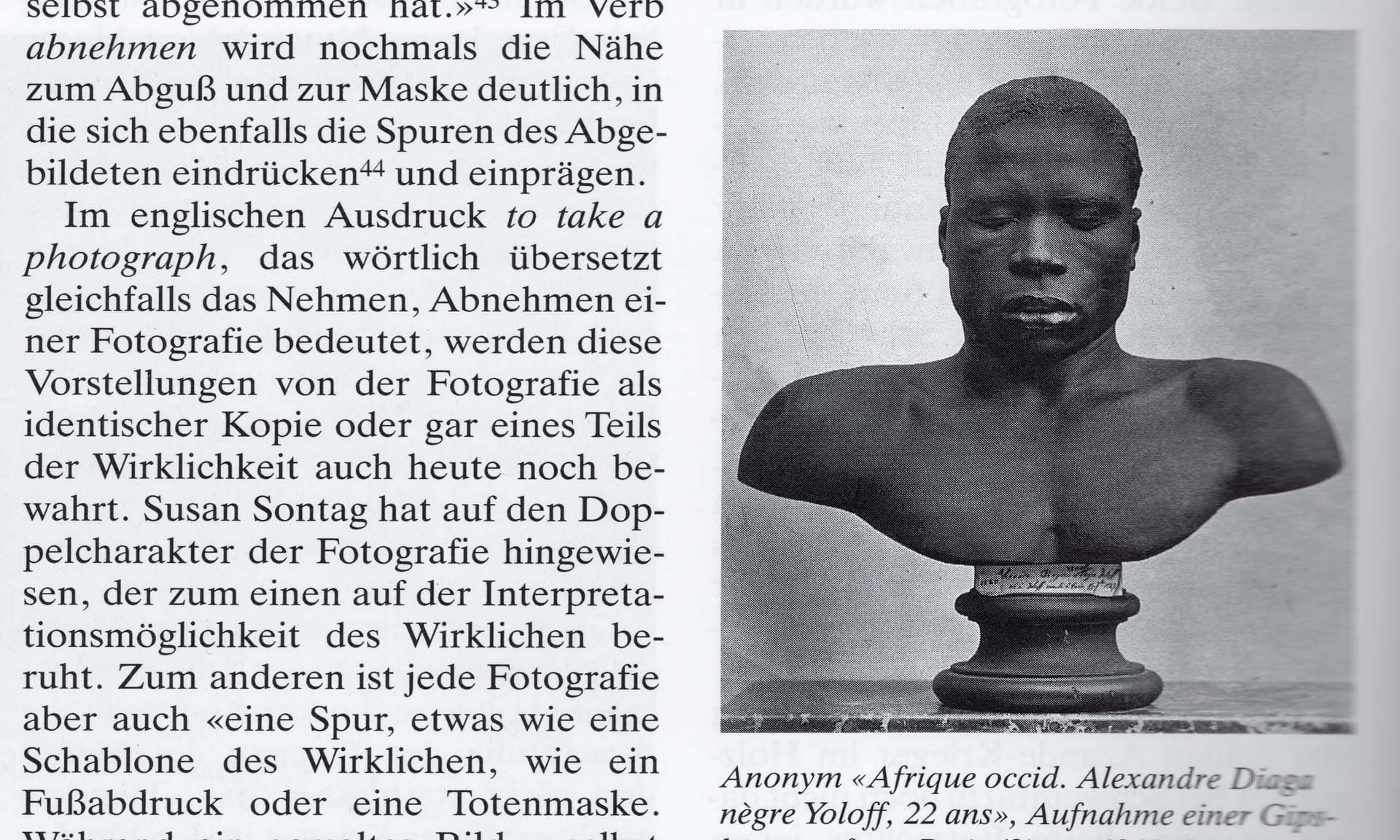
Ibrahima receives a letter with good news. His nephew has sent him a large sum of money from the metropole. He walks into town to cash the check but is immediately thwarted: he can’t prove that he is who he says he is. He learns—for the first time—that he has NO IDENTIFICATION. His identity is uncertain.
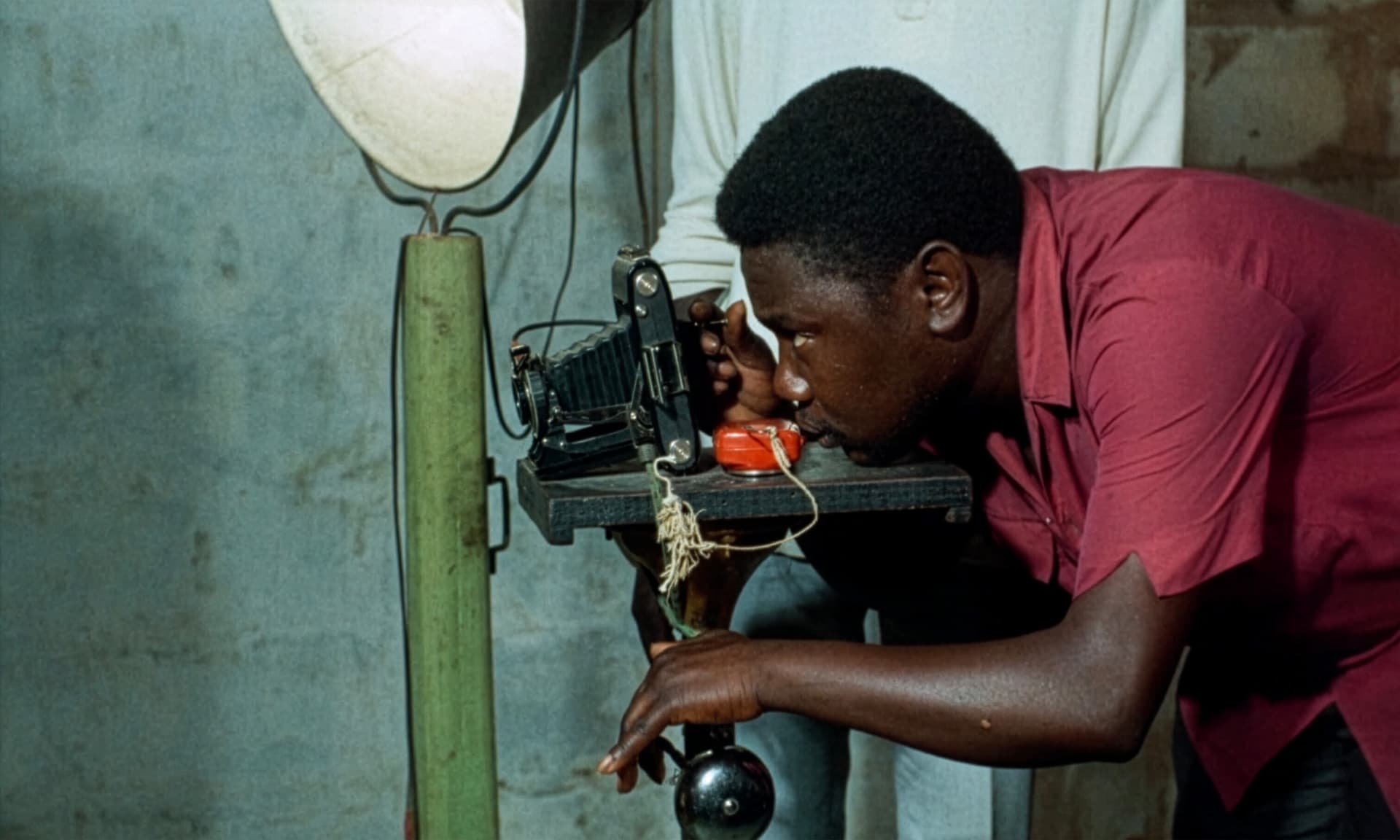
To get an identification card, he needs to procure a photo. To be rendered legible by the state, he needs to enter the WORLD OF IMAGES, the symbolic realm.
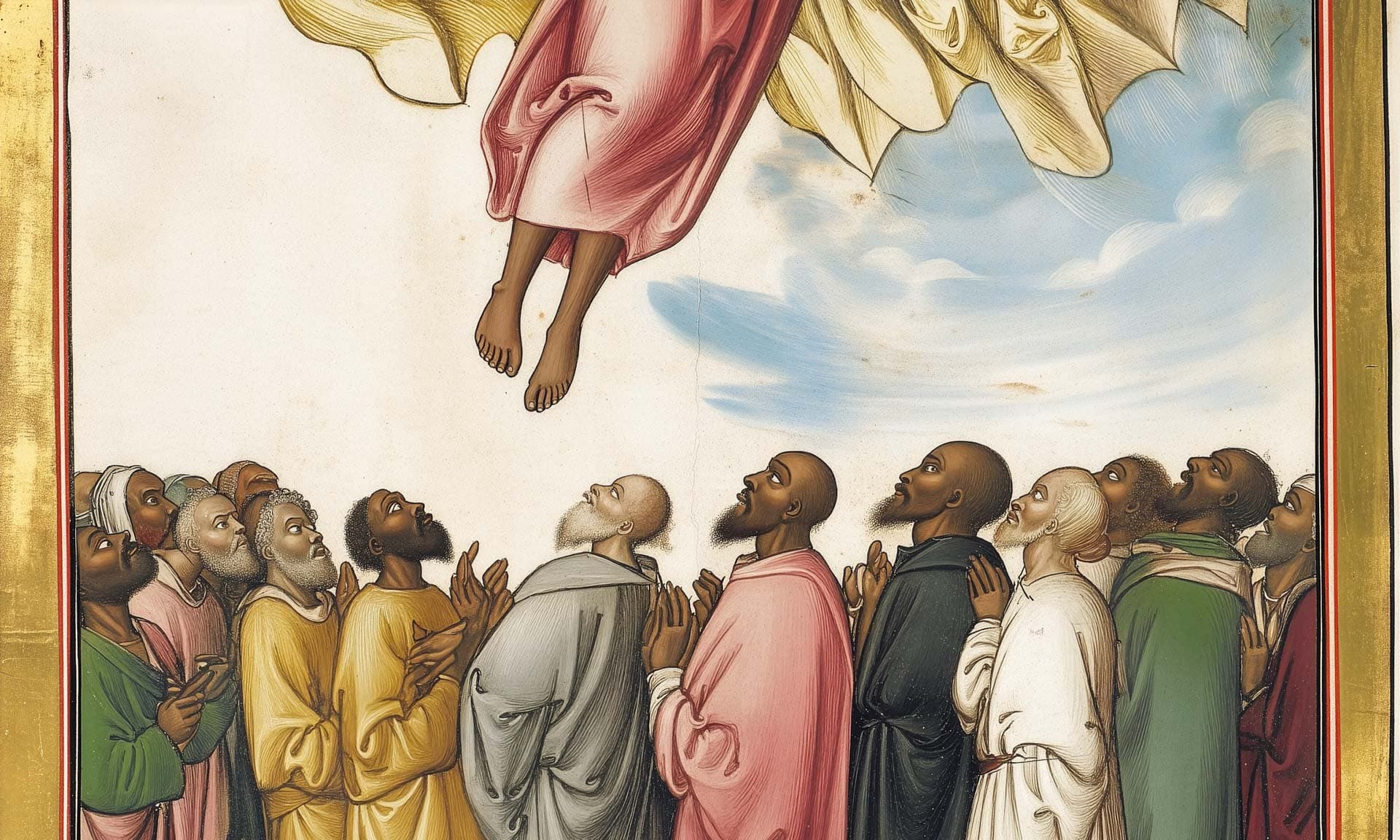
An image from a 16th-century illuminated manuscript. It depicts a scene of an African man ASCENDING TO HEAVEN, transcending his physical form. All we can see in the top of the illustration are his feet and part of his robe, while below him is a crowd of mostly African people looking up in amazement. He has two feet with exactly ten toes. Each of his feet has five toes on it. No more than five toes per foot! The crowd is a crowd of wise men, rendered in the style of Renaissance-era art. The edges of the illustration are gilded with gold.
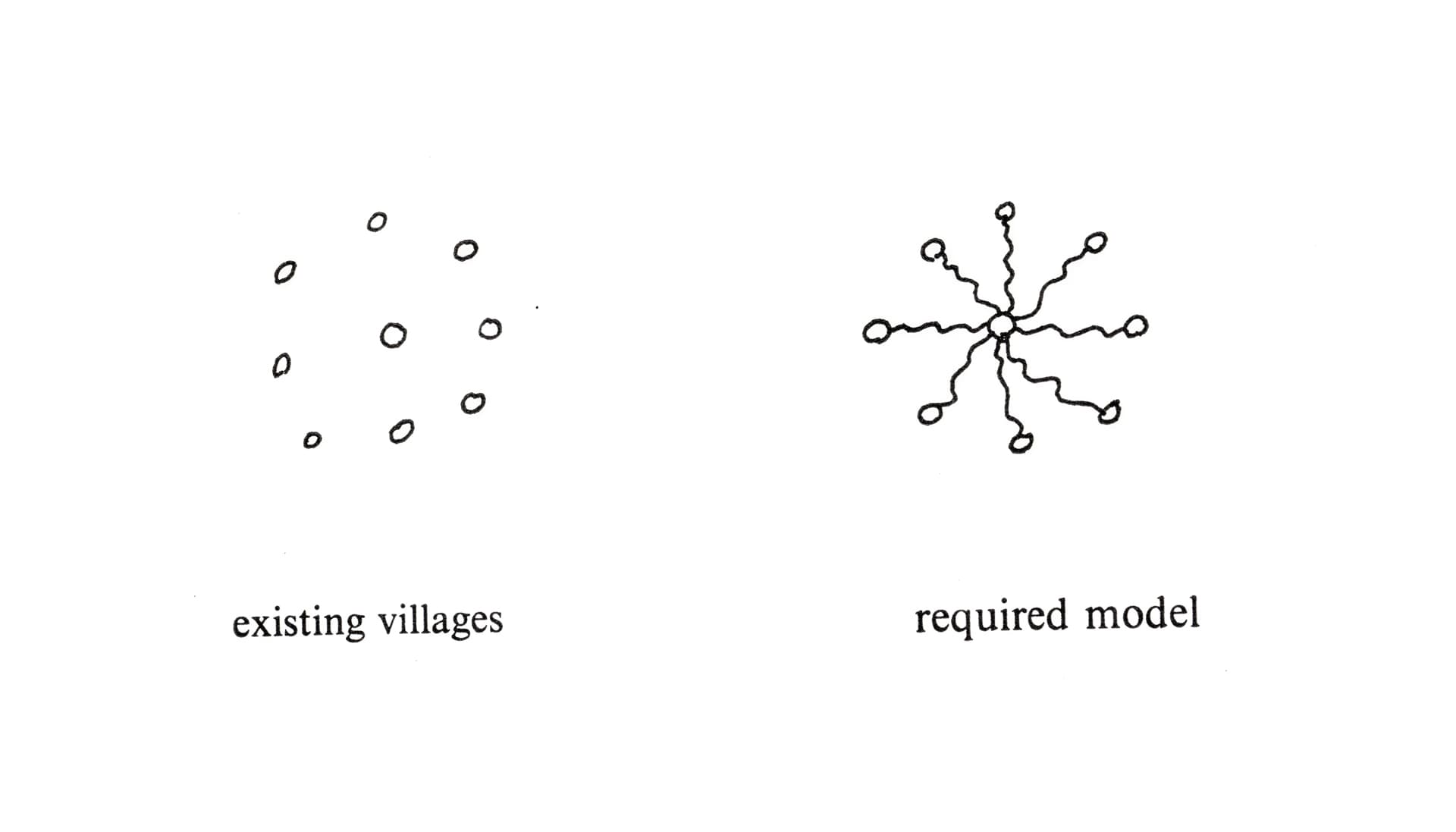
After the pacification of the tribes of the interior, it was necessary to arrange things such that the colony might be more RATIONALLY AND EFFICIENTLY administered.
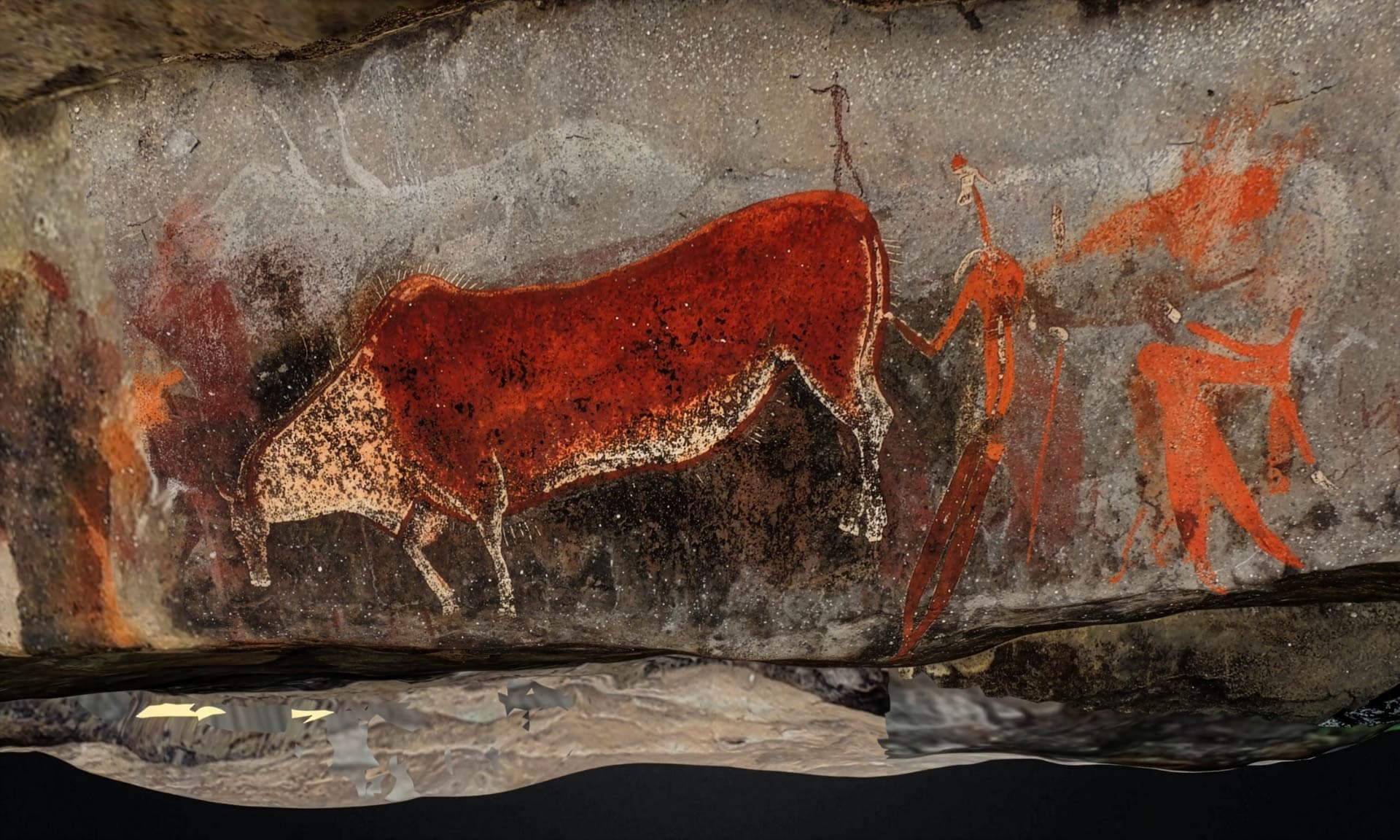
A real thing in the world, scanned at high resolution, could become a virtual IMAGE-OBJECT, composed of thousands of photographs—it all had something to do with light detection, or lasers.
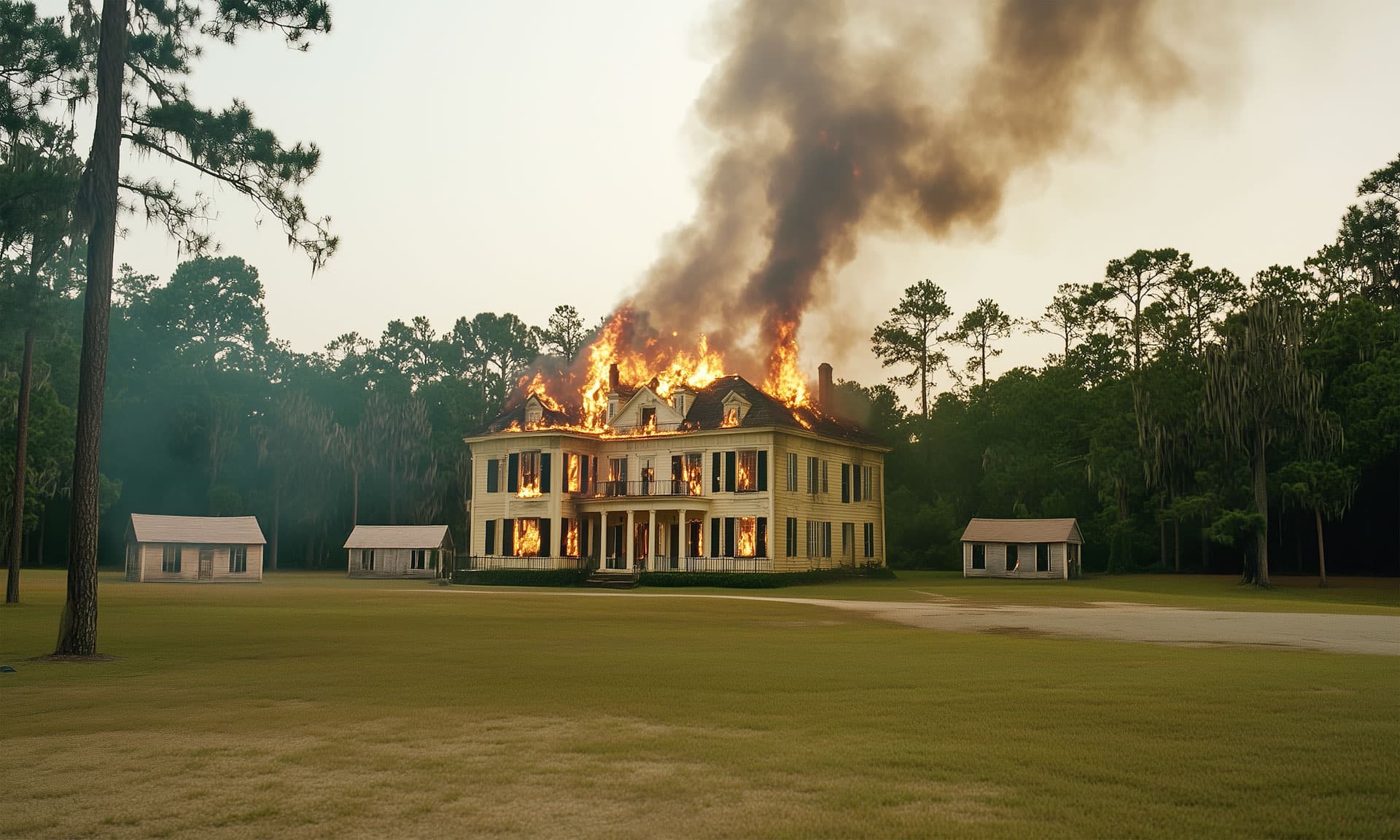
A 1985 color photo of a large plantation-style house which is slowly burning down. Flames are visible. The house is LARGE AND ORNATE. Whether intentionally or not, it is built to look like a Palladian villa. It is a sort of replica. The house is set back from the main road on a large lot. There is a lightly-wooded forest in the background, which is slightly out of focus. Some of the trees are beginning to burn as well. The trees should be a mix of deciduous and evergreen trees common in the American South. There should be at least a few LIVE OAK trees. To the right and left of the house, there are smaller cabins, which would house servants or slaves. These must not be too close to the main building but should still be visible within the picture. The cabins should be far away from the building.
Specular Gnosis
finanziato dall'Unione Europea - Next Generation EU